Austria's Data Privacy Protocols and Their Impact on Player Profile Customization in Licensed Digital Gaming Environments
Yves Werner · Nov 21, 2026
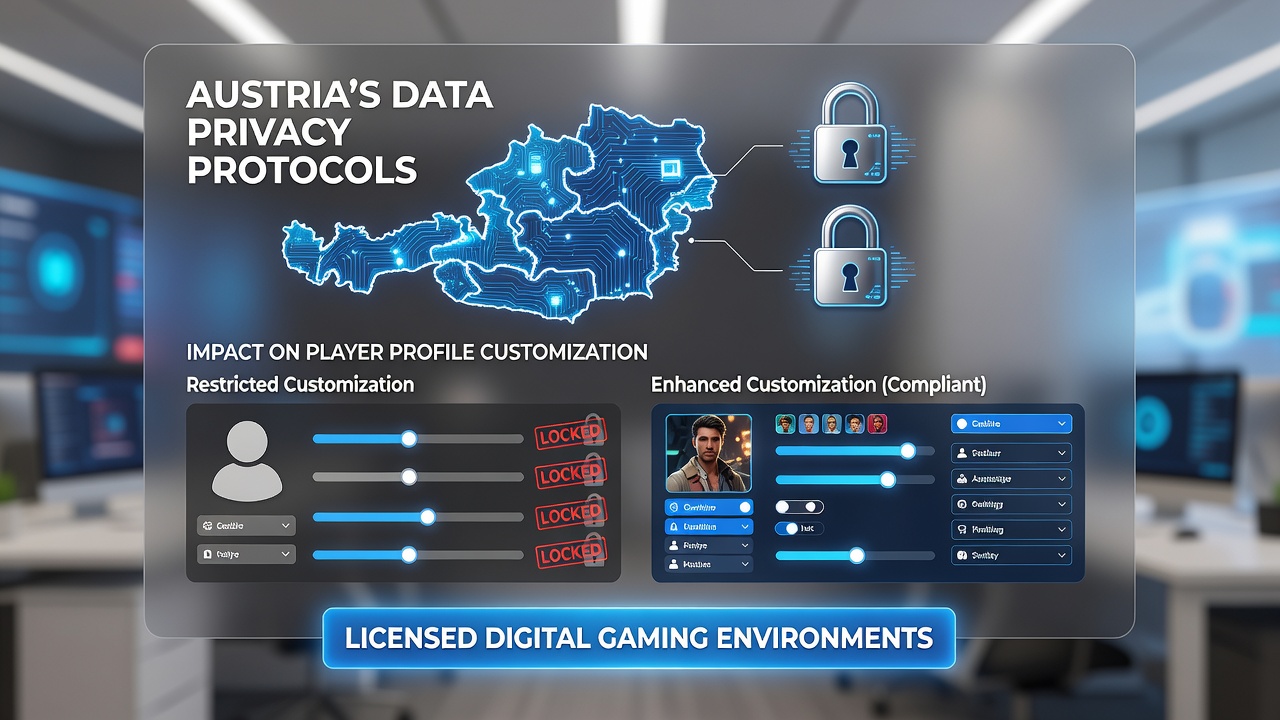
Austria's Data Privacy Protocols and Their Impact on Player Profile Customization in Licensed Digital Gaming Environments
Austria applies the European Union's General Data Protection Regulation through its own national implementation measures, and licensed digital gaming operators must align player profile systems with these rules from the outset. Data processing for customization features requires explicit consent, documented records of lawful bases, and regular audits that track how personal information flows through gaming environments.
Core Elements of Austrian Data Privacy Rules
Operators collect identifiers such as names, addresses, payment details, and gaming histories, yet the Austrian Data Protection Authority enforces strict purpose limitation so that each data point serves only the stated objective. Research from the European Data Protection Board shows that cross-border platforms operating in Austria must maintain separate processing records for each jurisdiction, which prevents automatic transfer of profile preferences across borders without fresh consent.
Technical safeguards include encryption at rest and in transit together with access controls that log every query against a player record. Licensed entities conduct data protection impact assessments before launching new customization modules, and these assessments evaluate risks such as inference attacks that could reveal sensitive behavioral patterns from aggregated game choices.
Customization Features Under Regulatory Scrutiny
Profile customization ranges from avatar selection and theme preferences to algorithmic game recommendations based on past activity. Because Austria's framework classifies behavioral data as personal information when it can identify an individual, operators cannot pre-populate recommendation engines without affirmative user action. Players receive granular toggles that allow them to enable or disable specific data uses, and any change triggers an immediate update to the processing log.
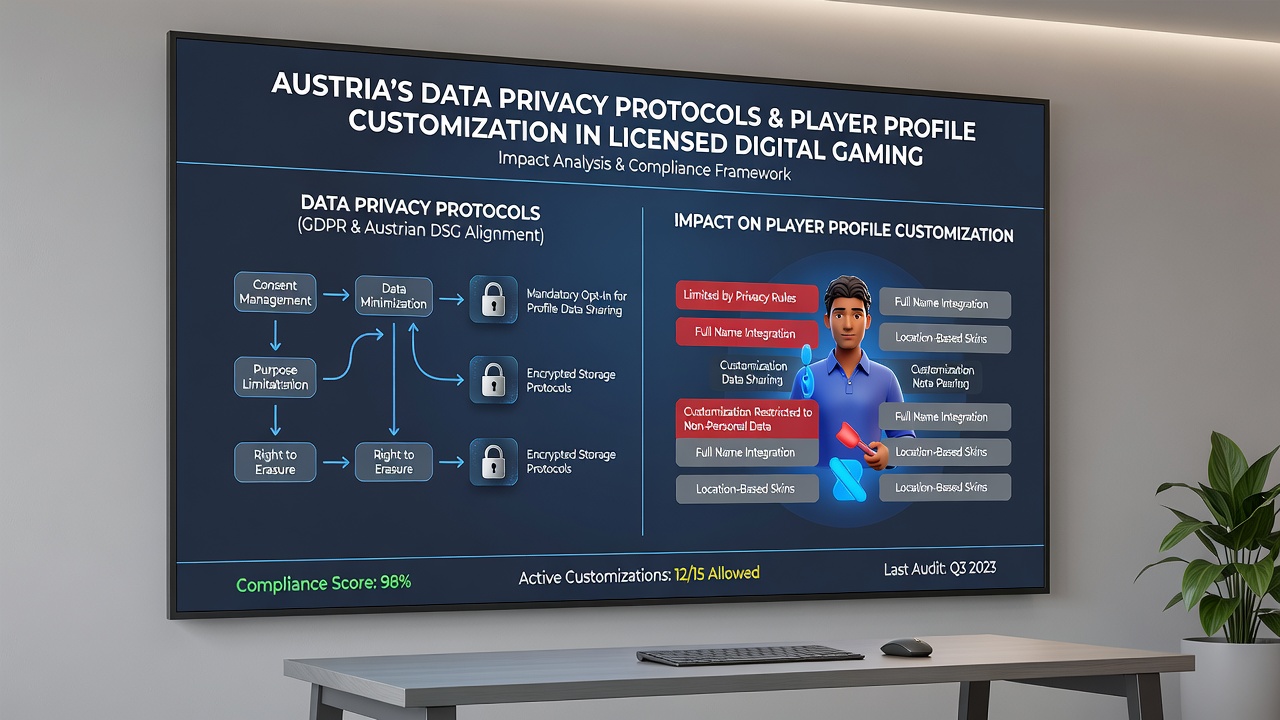
Studies conducted by European gaming research centers indicate that platforms adopting default-off settings for personalization see lower engagement rates in the first weeks after registration, yet retention stabilizes once users actively select their preferences. The same research notes that mandatory age-verification data cannot feed into recommendation algorithms even with consent, because that information serves a separate regulatory purpose under gambling statutes.
Operational Adjustments by Licensed Operators
Companies redesign their back-end architectures to isolate profile customization databases from core gambling transaction systems, thereby reducing the scope of data exposed during routine compliance checks. Regular staff training covers the distinction between necessary gameplay data and optional personalization inputs, while automated tools flag any attempt to merge the two categories without documented approval.
Case examples from Austrian licensees reveal that integration of third-party analytics services now demands contractual clauses specifying data residency within the European Economic Area and prohibiting model training on Austrian player records. These clauses emerged after the authority issued guidance clarifying that inferred interests derived from gameplay constitute personal data subject to erasure requests.
Enforcement Patterns and Compliance Metrics
Figures released by the Austrian Data Protection Authority show a steady increase in complaints related to gaming profiles between 2023 and 2025, with most cases centering on unclear consent language or incomplete deletion after account closure. Operators respond by publishing plain-language notices that list every data category used for customization and the retention period attached to each.
Third-party audits verify that deletion requests propagate across all systems within thirty days, including backup copies used for analytics. Platforms that fail these checks face administrative fines scaled to global turnover, a structure that encourages proactive redesign of profile tools rather than reactive fixes.
Future Developments in November 2026
Regulatory updates scheduled for November 2026 will require real-time consent dashboards accessible directly from within active gaming sessions, and operators are already mapping existing profile fields against the forthcoming technical specifications. These dashboards must display the exact data points feeding each customization feature and allow one-click withdrawal without forcing users through account settings menus.
Conclusion
Austria's data privacy protocols continue to shape every layer of player profile customization in licensed digital gaming by mandating consent granularity, purpose limitation, and verifiable deletion pathways. Licensed operators adapt through architectural separation, transparent interfaces, and ongoing audits that keep personalization features within regulatory boundaries while preserving user choice. The result is a system where customization exists only when players actively enable it, supported by documentation that regulators can review at any time.