Austria's Mobile Casino Interfaces and Their Built-in Compliance Mechanisms for User Activity Tracking
Yves Werner · Sep 26, 2026
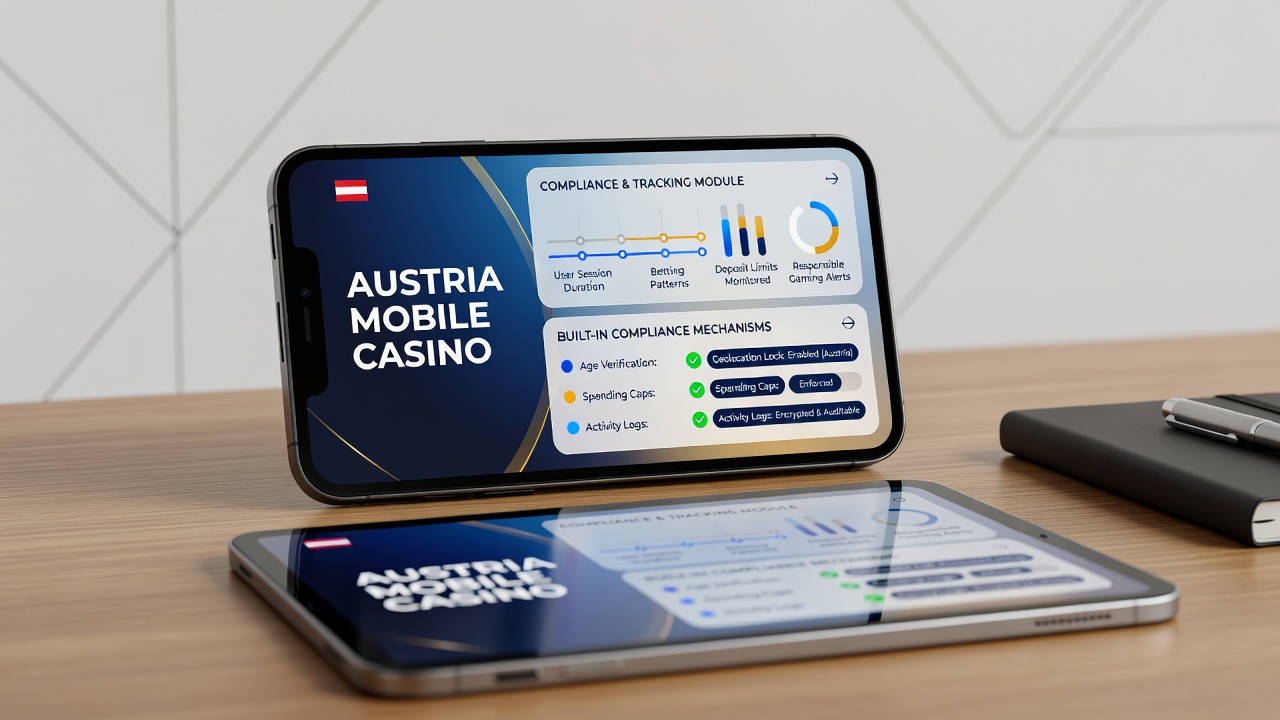
Austria's Mobile Casino Interfaces and Their Built-in Compliance Mechanisms for User Activity Tracking
Austria's licensed mobile casino platforms operate under strict regulatory oversight that requires detailed user activity tracking from the moment a player logs in. These systems record session duration, wager amounts, deposit patterns, and withdrawal requests in real time, creating a continuous data stream that operators must maintain for compliance audits. The Austrian regulatory framework demands that every interface incorporate automated logging functions so authorities can review historical behavior without manual intervention from staff. Developers integrate these mechanisms directly into the app architecture rather than layering them on afterward, which ensures that tracking occurs at the code level and cannot be bypassed by users. Data points include time-stamped entries for every game round, changes in account balance, and any interactions with responsible gaming tools such as deposit limits or cooling-off periods. This approach allows regulators to verify that operators meet their obligations under national gambling statutes.Core Tracking Components in Mobile Interfaces
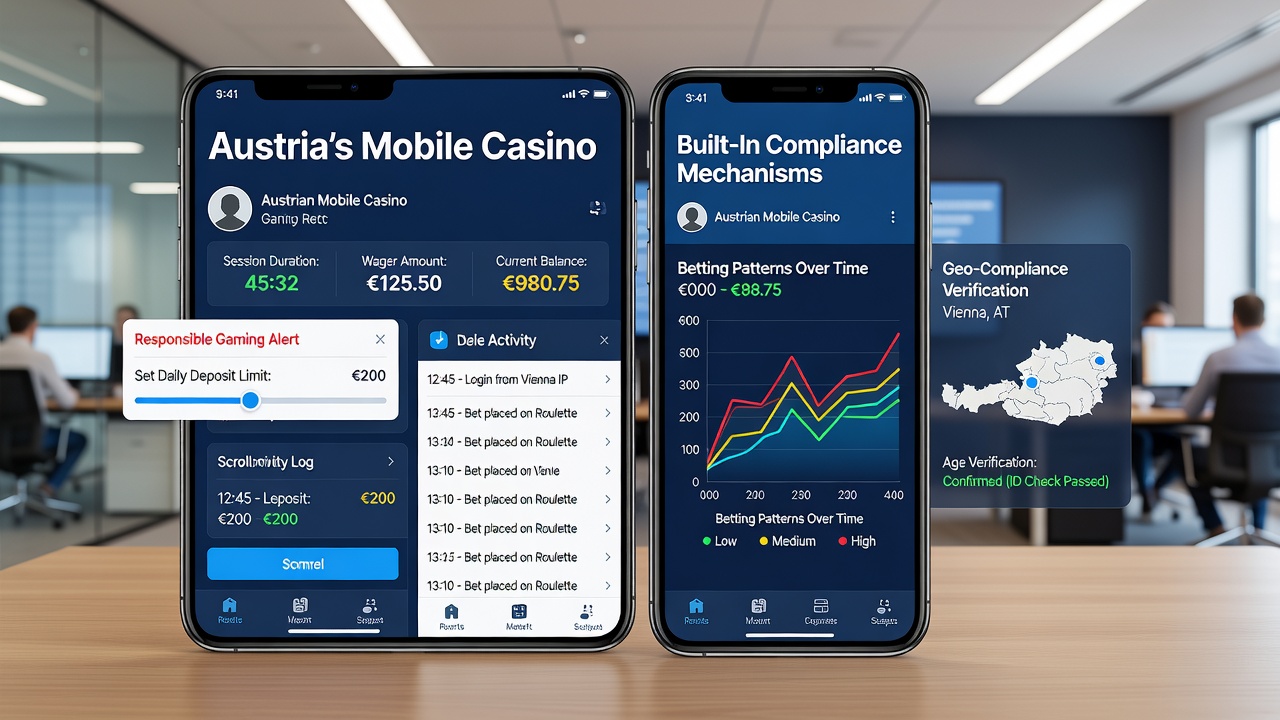
Modern Austrian mobile casino apps embed several distinct modules that work together to monitor activity. Session timers activate automatically upon login and pause only when the user explicitly exits the application, while background processes continue to log any network activity or partial wagers. Balance fluctuation trackers record every credit or debit, flagging unusual spikes that might indicate problem behavior or technical anomalies.
Geolocation verification runs continuously in the background on permitted devices, cross-referencing IP addresses with declared locations to confirm that play occurs within authorized jurisdictions. Operators must store these records for a minimum period set by law, and the interfaces include export functions that generate standardized reports for submission to oversight bodies.
Automated Compliance Features and Regulatory Alignment
Built-in compliance engines compare live user data against predefined thresholds for session length, total losses, and frequency of deposits. When a player approaches a self-imposed limit or a regulatory trigger point, the interface displays an alert and may temporarily restrict further activity until the user acknowledges the notification. These interventions occur without human review, though all instances are logged for later inspection.
September 2026 marks the scheduled rollout of updated interface standards that will require additional granularity in tracking minor behavioral shifts, such as changes in game selection speed or navigation patterns that could signal emerging risk. Operators have already begun testing prototype versions of these modules to meet the new specifications ahead of the deadline.
Researchers at European academic institutions have examined similar systems across multiple jurisdictions and found that real-time dashboards accessible to regulators reduce the average time needed to identify non-compliant operators. One study published by a Canadian research consortium highlighted how automated alerts cut manual review workloads by more than half in controlled trials.
Data Storage, Security, and Access Protocols
Every tracked data point resides in encrypted databases that operators must locate within the European Economic Area. Access logs record which staff members view individual player profiles, and any export of data to external auditors triggers additional encryption layers. The interfaces themselves contain no local storage of sensitive information beyond temporary cache files that clear automatically upon logout.
Regulatory bodies conduct periodic penetration tests on these systems, and operators must demonstrate that activity tracking remains functional even during simulated network outages or device failures. This redundancy requirement ensures continuous compliance monitoring regardless of external conditions.
Integration with National Responsible Gaming Registers
Austrian mobile interfaces connect directly to centralized registers that track self-exclusion requests and voluntary spending caps. When a user registers for exclusion through any licensed platform, the information propagates across all connected apps within minutes, preventing further play on any device linked to that account. The tracking mechanisms verify that excluded users receive no promotional material and cannot create secondary accounts using the same identification data.
Industry reports from the European Gaming and Betting Association indicate that seamless integration between mobile apps and national registers has improved enforcement consistency across member states. These connections rely on standardized APIs that transmit only the minimum required identifiers while maintaining full audit trails.
Future Developments in Tracking Accuracy
Work continues on refining behavioral analytics within Austrian mobile interfaces, with particular focus on machine learning models that distinguish between normal variation and potential indicators of harm. Pilot programs scheduled for late 2025 will test whether these models can reduce false positives while maintaining the strict documentation standards required by law. Observers note that successful implementation depends on maintaining transparency with users about what data the systems collect and how it serves regulatory purposes.
Conclusion
Austria's approach to mobile casino compliance centers on embedding tracking functions at the interface level so that user activity remains visible, verifiable, and aligned with legal requirements at every stage. The combination of automated alerts, centralized registers, and encrypted record-keeping creates a framework that supports both operator accountability and regulatory oversight. As standards evolve toward the September 2026 updates, the emphasis remains on systems that function reliably across devices while preserving the integrity of collected data.