Austria's Regulatory Shifts Impacting Payment Innovations in Mobile Casino Platforms
Katja Powell · Aug 29, 2026
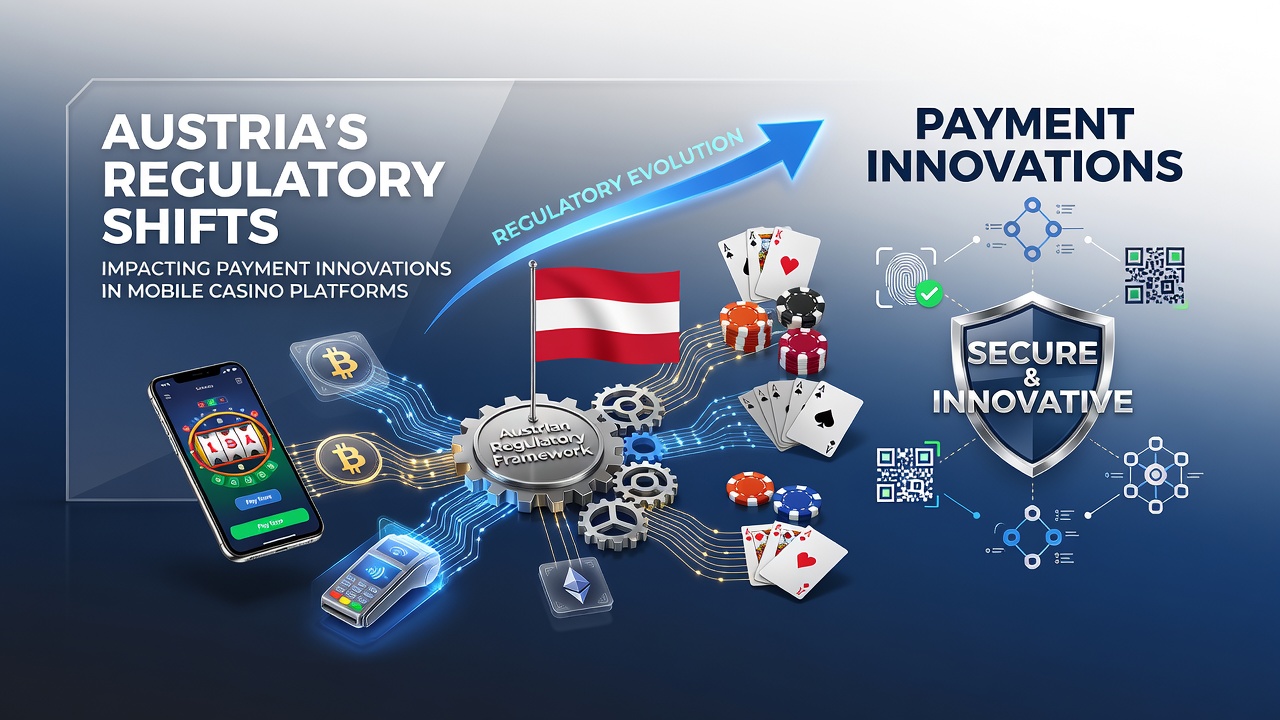
Austria's Regulatory Shifts Impacting Payment Innovations in Mobile Casino Platforms
Austria has updated its gambling regulations through amendments to the Glücksspielgesetz, and these changes directly shape how mobile casino platforms handle payments and transaction processing. The updates focus on licensing requirements, transaction monitoring standards, and restrictions on certain payment methods that platforms can integrate for users located in the country. Observers note that operators must now align their systems with stricter verification protocols before processing deposits or withdrawals through mobile applications.
Key Regulatory Updates and Their Scope
Changes rolled out in recent years require all licensed operators to use payment providers that maintain detailed records of each transaction, including source of funds verification, and these rules extend to mobile casino platforms that serve Austrian players. Data from official reports shows increased emphasis on real-time monitoring tools that flag unusual activity patterns during gameplay sessions on smartphones and tablets. Because the framework prioritizes consumer protection alongside market access, platforms face limits on integrating cryptocurrency options and certain e-wallet services that lack full compliance with local reporting obligations.
Payment innovations such as instant bank transfers and integrated mobile wallets have encountered new hurdles since authorities strengthened rules around cross-border transaction flows. One study revealed that platforms adopting advanced encryption for mobile payments saw smoother approval processes during licensing reviews, whereas those relying on older protocols encountered delays. And as of August 2026, additional provisions will require operators to implement enhanced authentication steps for withdrawals above specific thresholds, which affects how mobile casino apps structure their cash-out features.
Effects on Mobile Payment Technology Adoption
Mobile casino platforms have responded by prioritizing partnerships with financial institutions that already meet the updated Austrian standards for data sharing and anti-money laundering checks. This shift has accelerated the rollout of secure API connections between gaming apps and approved banks, allowing faster deposit confirmations while maintaining compliance logs. Researchers discovered that platforms using tokenization methods for card payments experienced fewer interruptions during regulatory audits because the approach reduces exposure of sensitive user details during mobile transactions.
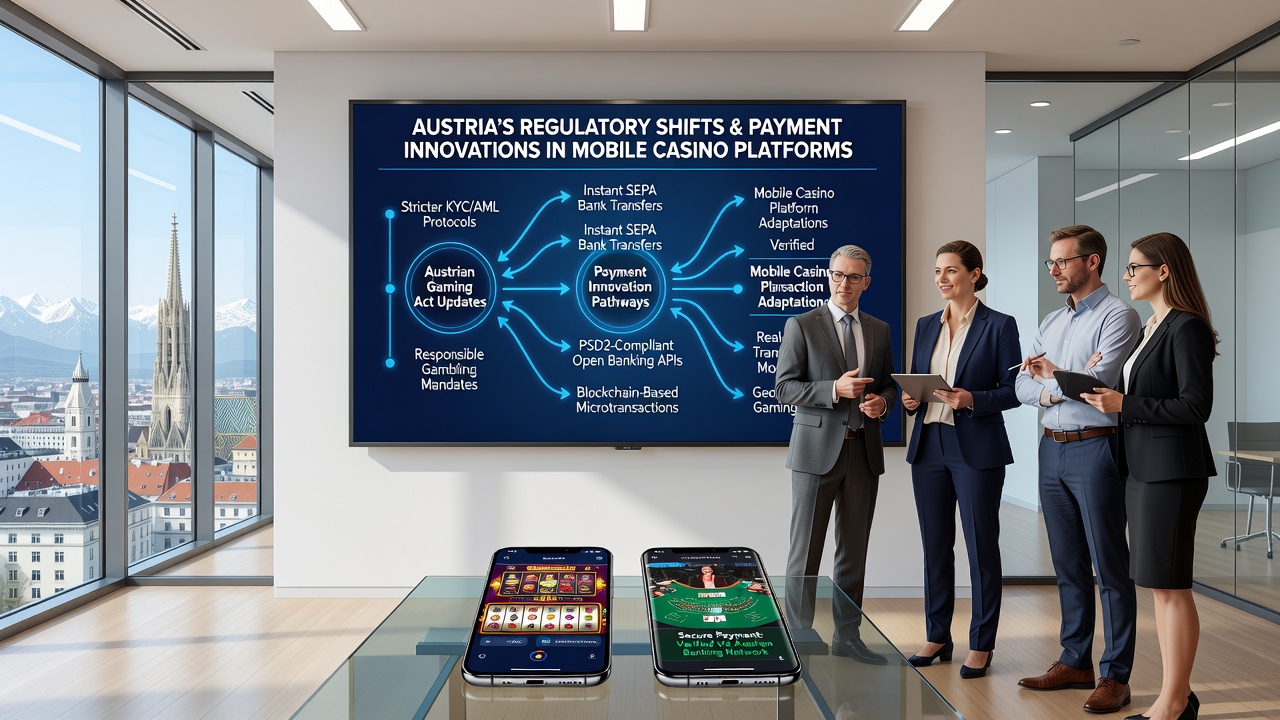
Those who have examined transaction volumes report that licensed operators now route a larger share of mobile payments through domestic clearing systems rather than international gateways, and this adjustment stems from rules that favor traceable domestic channels. The ball remains in the operators' court when it comes to upgrading their backend systems to support these preferred methods without compromising user experience on smaller screens. What's significant is that the regulations also address how platforms disclose payment processing times and fees directly within mobile interfaces, ensuring transparency appears at the point of transaction rather than in separate policy documents.
Industry Adaptations and Compliance Strategies
Industry groups such as the European Gaming and Betting Association have documented how operators in Austria are investing in modular payment architectures that can swap in new compliant providers as rules evolve. Austrian Ministry of Finance guidelines outline the technical specifications for payment logging that mobile platforms must follow, and these specifications influence everything from user onboarding flows to backend reconciliation processes. Academic analyses from institutions across the EU further indicate that platforms incorporating biometric authentication alongside traditional PIN entry for high-value mobile transfers achieve higher compliance scores during periodic reviews.
Because mobile casino environments operate across varying network conditions, regulators have also introduced performance benchmarks that payment systems must meet to ensure reliable transaction completion even on slower connections. Figures reveal that operators who adapted early by embedding automated compliance checks into their mobile payment flows reduced the frequency of manual reviews required by authorities. This approach allows platforms to maintain continuous service while meeting the evolving documentation standards that apply to both deposits and withdrawals initiated through smartphones.
Conclusion
Austria's regulatory environment continues to define acceptable payment pathways for mobile casino platforms through layered requirements on verification, transparency, and technical security. The framework encourages adoption of solutions that support detailed auditing while restricting options that fall outside established oversight mechanisms. Operators who align their mobile payment innovations with these standards position themselves for sustained licensing eligibility, and upcoming adjustments scheduled for August 2026 will further refine the parameters around withdrawal authentication and reporting. External sources including European Commission reports on digital payments provide additional context on how such national rules interact with broader EU trends in financial technology for gaming sectors.